

The Process Behind CNC Milling Techniques

When it comes to manufacturing precision parts, the process behind CNC milling techniques is a game-changer. I’ve seen firsthand how this technology transforms raw materials into complex, high-quality components with remarkable accuracy. Whether you’re working in aerospace, automotive, medical devices, or any industry requiring tight tolerances, understanding the CNC milling process is essential.
CNC milling is not just about cutting metal; it’s a sophisticated blend of engineering, programming, and machining that delivers consistent results. In this post, I’ll walk you through the key steps involved, explain the technology behind it, and share practical insights to help you appreciate why CNC milling is the backbone of modern manufacturing.
Understanding CNC Milling Techniques
CNC stands for Computer Numerical Control. This means the milling machine is controlled by a computer program that dictates every movement of the cutting tool. Unlike manual milling, CNC milling techniques allow for automation, precision, and repeatability.
The process starts with a digital design, usually a CAD (Computer-Aided Design) file. This design is then converted into a CAM (Computer-Aided Manufacturing) program, which generates the tool paths the machine will follow. The CNC machine reads this program and moves the cutting tool accordingly to shape the material.
There are several types of CNC milling techniques, including:
3-Axis Milling: The most common, where the cutting tool moves along the X, Y, and Z axes.
4-Axis Milling: Adds rotation around the X-axis, allowing for more complex shapes.
5-Axis Milling: Adds two more rotational axes, enabling the machine to cut from almost any angle.
Each technique offers different capabilities and is chosen based on the complexity and precision required for the part.

Close-up view of CNC milling machine cutting metal
The Step-by-Step CNC Milling Process
The CNC milling process involves several critical stages, each contributing to the final quality of the part. Here’s a detailed breakdown:
1. Design and Programming
The journey begins with a detailed CAD model of the part. This model includes all dimensions, tolerances, and features. Once the design is finalized, it’s imported into CAM software. Here, the machinist or programmer defines the tool paths, cutting speeds, and feeds.
Programming is crucial because it determines how efficiently and accurately the machine will operate. The CAM software simulates the milling process, allowing adjustments before actual machining begins.
2. Material Selection and Preparation
Choosing the right material is essential. Metals like aluminum, steel, titanium, and brass are common, but plastics and composites can also be milled. The raw material is usually in the form of blocks or billets.
Before milling, the material is securely clamped onto the machine’s worktable. Proper fixturing ensures stability and prevents movement during cutting, which is vital for precision.
3. Machine Setup
Setting up the CNC milling machine involves installing the correct cutting tools, calibrating the machine, and loading the program. Tool selection depends on the material and the type of cuts needed—end mills, drills, and face mills are typical tools.
Calibration includes setting the zero point, which is the reference position for the tool relative to the workpiece. This step ensures the machine knows exactly where to start cutting.
4. Milling Operation
Once everything is set, the machine begins the milling operation. The cutting tool moves along the programmed paths, removing material layer by layer. The process can involve roughing cuts to remove large amounts of material quickly, followed by finishing cuts for fine details and surface quality.
During milling, coolant is often applied to reduce heat and prevent tool wear. The machine’s sensors monitor the process to detect any issues like tool breakage or excessive vibration.
5. Inspection and Quality Control
After milling, the part undergoes thorough inspection. Precision measuring tools like calipers, micrometers, and coordinate measuring machines (CMM) verify dimensions and tolerances. Any deviations are addressed by adjusting the program or machine settings for subsequent parts.
This quality control step is critical to ensure the part meets specifications and performs reliably in its application.

High angle view of precision measuring tools inspecting a machined part
Key Advantages of CNC Milling Techniques
The precision and flexibility of CNC milling techniques offer several advantages that make it the preferred choice for many industries:
High Precision and Repeatability: CNC machines can produce parts with tolerances as tight as a few microns, ensuring consistency across large production runs.
Complex Geometries: Multi-axis milling allows for intricate shapes that would be impossible or very time-consuming with manual methods.
Reduced Lead Times: Automated programming and machining speed up production, helping businesses meet tight deadlines.
Material Efficiency: CNC milling optimizes material usage, reducing waste and lowering costs.
Scalability: Whether you need a single prototype or thousands of parts, CNC milling adapts easily to different production volumes.
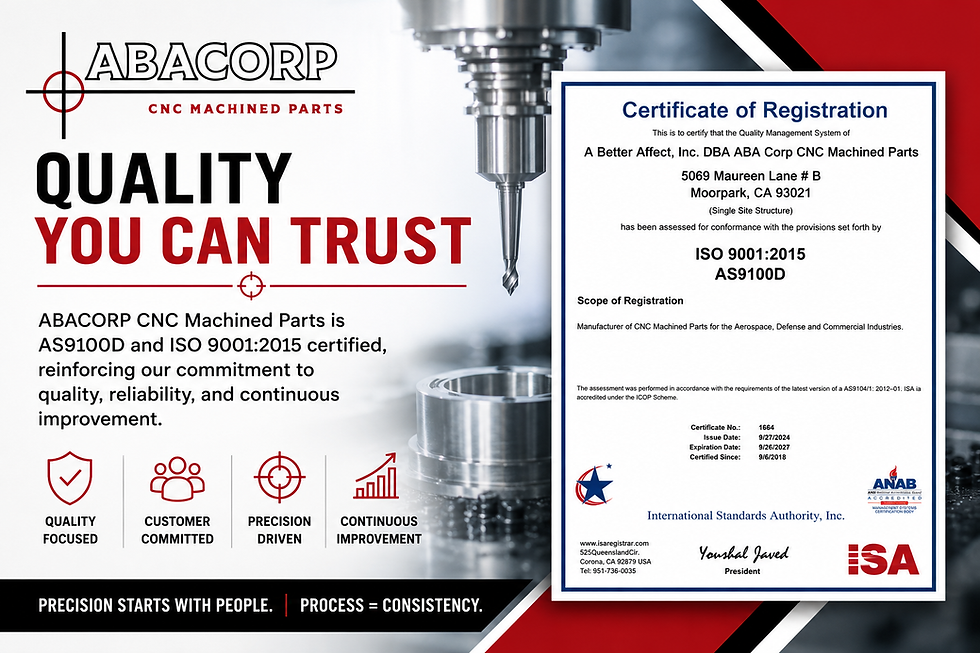
These benefits align perfectly with the goals of companies like ABACORP, which focus on delivering high-quality components and expert manufacturing solutions to help their customers succeed.
Practical Tips for Working with CNC Milling Services
If you’re considering outsourcing your parts to a CNC milling provider, here are some actionable recommendations to get the best results:
Provide Detailed Drawings: Clear, comprehensive CAD files with all necessary specifications reduce errors and misunderstandings.
Communicate Material Requirements: Specify the exact material grade and any special treatments needed, such as heat treatment or surface finishing.
Discuss Tolerances Early: Tight tolerances can increase costs, so balance precision needs with budget constraints.
Request Prototypes: Before full production, ask for prototypes to verify design and fit.
Partner with Experienced Providers: Choose a company with proven expertise and modern equipment to ensure quality and reliability.
By following these tips, you can maximize the benefits of CNC milling and ensure your parts meet your exact needs.
Looking Ahead: The Future of CNC Milling Techniques
CNC milling continues to evolve with advancements in technology. Integration with AI and machine learning is improving programming efficiency and predictive maintenance. New materials and hybrid manufacturing methods are expanding the possibilities for complex parts.
Automation and robotics are also playing a bigger role, reducing human error and increasing throughput. As these trends develop, CNC milling will remain a cornerstone of precision manufacturing, helping businesses stay competitive and innovative.
For companies seeking reliable, high-quality components, partnering with a trusted provider of cnc milling services is a strategic move. It ensures access to cutting-edge technology and expert support that drives success.
Understanding the process behind CNC milling techniques is more than just technical knowledge. It’s about recognizing how precision, efficiency, and innovation come together to create parts that power industries. Whether you’re designing a new product or improving an existing one, mastering this process opens doors to endless possibilities.


Comments